
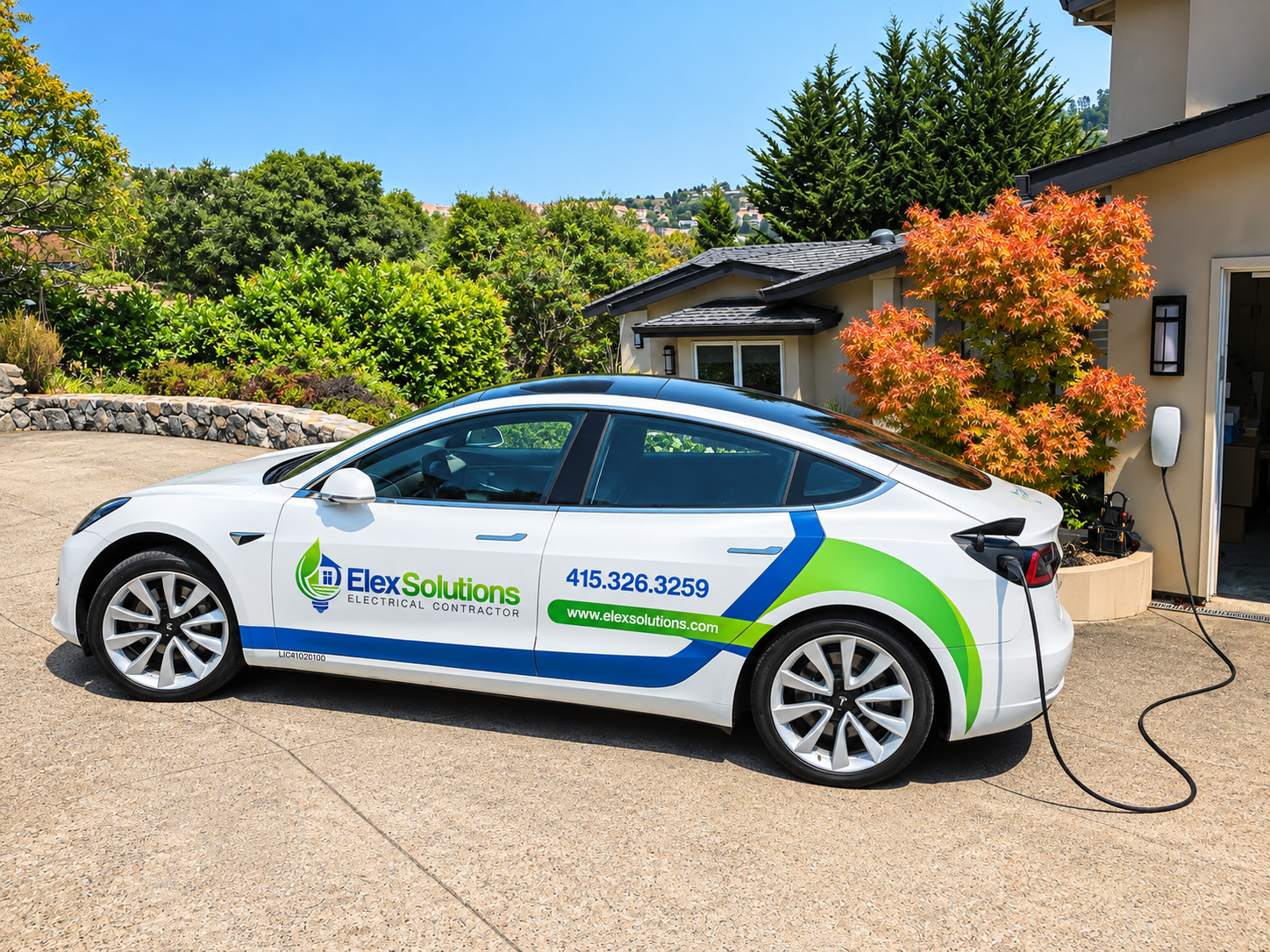
Having an electric vehicle charger at home makes EV ownership more convenient and practical. It gives you a dedicated place to recharge your vehicle, reduces dependence on public charging stations, and can make your daily charging routine easier.
Electric vehicles (EVs) are becoming more popular as people look for ways to reduce their carbon footprint and save money on fuel costs. However, charging an EV can be a hassle, especially if you don’t have access to a charging station near your home. Fortunately, there’s a solution to this problem: having an electric vehicle charger installed in your own garage.
Charging your EV at home makes everyday driving simpler. Just connect your vehicle after you arrive home, let it charge while you go about your routine, and start your next journey with added peace of mind.
Installing an Electric Vehicle Charger at Home can offer several practical benefits, from everyday convenience to better control over your charging routine. The right setup can also make EV ownership more comfortable for households that drive regularly.
Here are some of the main home EV charger benefits to consider.
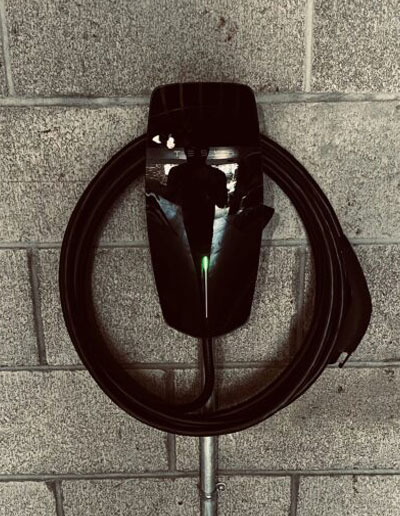 1: Convenient Charging
One of the biggest benefits of having an EV charger at home is the convenience of charging your vehicle where you park. You can charge your car anytime, day or night, without planning your routine around a public charging station.
You do not have to make a separate trip or wait in line whenever your battery needs to be recharged. After arriving home, simply plug in your EV and leave it charging while you cook dinner, relax, or sleep. Your vehicle can be ready to go when you need it.
For drivers with regular commutes, this makes charging part of the normal daily routine. Home charging can also be useful when public chargers are busy, unavailable, or located farther from your normal route.
2: Reduced Charging Time
A dedicated home EV charger can reduce the time needed to recharge your electric vehicle compared with a standard household outlet.
Home chargers are designed to deliver power at a higher rate, helping your EV regain more range in less time. This can be especially useful for daily driving and regular charging.
Charging time varies depending on the charger, EV model, battery size, and vehicle’s charging capacity. With a home charger, you can plug in when you arrive home and have your vehicle ready for your next trip.
3: Cost-Effective Charging
Charging an EV at home can be less expensive than relying on public charging stations, although the actual cost depends on electricity rates, vehicle efficiency, and charging habits.
Some utility plans offer lower electricity rates during off-peak periods. If your EV and charger support scheduled charging, you may be able to charge during those periods and better manage your energy use.
Home charging also gives you more control over where and when you charge. However, lower charging costs are not guaranteed for every homeowner because electricity rates and public charging prices vary.
If your property has solar panels or battery storage, an electrician can also help you understand how an EV charger may fit into your existing electrical system.
4: Increased range confidence
Having a home charger gives you the peace of mind of knowing that you can recharge your vehicle whenever needed. Regular access to home charging can help you start each day with enough range for your commute, errands, or planned trips.
This reliable access to charging can reduce the worry of running low on battery and make it easier to plan longer drives with greater confidence.
5: Enhanced Home Value
A professionally installed EV charger can be a useful feature for homeowners as electric vehicle ownership becomes more common.
A dedicated charging setup may appeal to buyers who already own an EV or are considering purchasing one. Having an in-home charger can add convenience and make the property more desirable to potential buyers.
As more people adopt electric vehicles, an EV charger may also contribute to the property’s overall appeal and potential value. For homeowners who plan to stay in their property, the everyday convenience of having a dedicated charging location is another valuable benefit.
Choosing the Right Home EV Charger
The right charger depends on how you use your vehicle and what your home’s electrical system can support.
Level 1 charging may be suitable for drivers with lower daily mileage who have plenty of time to charge. Level 2 charging can be a better option for drivers who want faster home charging and regularly use their EV.
Before installation, an electrician should evaluate your electrical panel, available capacity, existing electrical loads, wiring requirements, and the location where the charger will be installed.
Not every home requires an electrical panel upgrade. If the existing system does not have enough available capacity for the selected charger, an upgrade or another suitable electrical solution may be needed.
 Why Professional EV Charger Installation Matters
Professional installation is important because an EV charger can place a significant electrical load on your home’s system for extended periods.
An experienced electrician can inspect your existing panel, determine whether it can support the charger, select the appropriate circuit and wiring, and identify whether an electrical upgrade is necessary. Proper grounding, equipment selection, installation, and testing also matter for safe operation.
Trying to install high-powered charging equipment without the appropriate electrical knowledge can create safety and compliance problems.
Elex Solutions offers residential EV charger installation with support throughout the project, including electrical evaluation, installation, testing, and required permitting or engineering services.
Prepare for Your Home EV Charger Installation
Before choosing a charger, consider a few practical questions: How many miles do you typically drive each day?
- Where do you normally park your EV?
- How quickly do you need it to charge?
- Where is your electrical panel located?
- Does your home have enough electrical capacity?
- Are you planning to add another EV later?
- Do you have solar or battery storage?
Planning these factors in advance can help your electrician recommend a practical charging solution instead of simply selecting equipment based on its maximum charging speed.
Make EV Charging Easier at Home
An Electric Vehicle Charger at Home can make electric vehicle ownership more convenient by giving you a reliable place to charge, reducing charging time compared with a standard outlet, helping you manage charging costs, improving range confidence, and adding a useful feature to your home.
The best setup depends on your vehicle, driving habits, electrical capacity, and available installation location.
If you are considering a home EV charger, contact Elex Solutions to discuss your electrical requirements and find a charging solution that fits your vehicle and property.
FAQ’s
Is it worth having an EV charger at home?
A home EV charger can be worthwhile for drivers who regularly use an electric vehicle. It provides convenient charging at home, reduces reliance on public charging stations, and can make daily EV use easier.
Is home EV charging cheaper than using public chargers?
Home charging can be less expensive than public charging, depending on your local electricity rates, vehicle efficiency, charging habits, and public charging costs. Off-peak electricity rates may also help reduce charging costs.
How long does it take to charge an EV at home?
Charging time depends on the vehicle’s battery size, charger type, charging output, and the vehicle’s onboard charging capability. Level 2 chargers generally charge faster than a standard household outlet.
Does my home need an electrical panel upgrade for an EV charger?
Not always. If your existing panel has enough capacity, an upgrade may not be necessary. An electrician can evaluate your electrical system before installation.
What are the main benefits of charging an EV at home?
Home charging offers greater convenience, saves trips to public charging stations, and allows you to start each day with a charged vehicle. It can also provide a more predictable charging routine.