


California’s commercial construction projects must account for electric vehicle (EV) charging infrastructure during planning and design. For architects, developers, and general contractors, understanding the CALGreen commercial EV requirements is essential to meeting building code obligations, avoiding permit delays, and preventing costly construction changes.
Under California Title 24, Part 11, CALGreen establishes EV charging infrastructure requirements for applicable nonresidential projects. These requirements address EV-capable spaces, charging stations, electrical infrastructure, and accessibility. Understanding which provisions apply to a project helps construction teams prepare compliant plans and coordinate installation before work begins.
What Is the 2025 CALGreen Building Code?
The 2025 California Green Building Standards Code, known as CALGreen, is Title 24, Part 11 of the California Code of Regulations. It became effective on January 1, 2026. Projects must follow the code edition applicable to their permit and jurisdiction. Official source: California Building Standards Commission.
For nonresidential construction, Chapter 5 contains mandatory measures relevant to EV charging. Section 5.106.5.3 addresses EV charging for applicable new construction, while Section 5.106.5.4 covers qualifying additions and alterations to existing buildings or parking facilities. Applicable exceptions and local amendments should be checked before finalizing plans.
What Are the Three Types of EV Parking Spaces?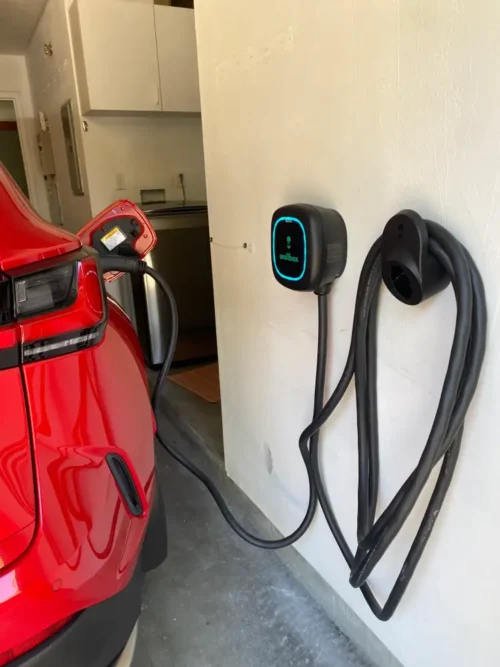
Understanding these three categories helps architects, developers, and general contractors plan the electrical infrastructure required under CALGreen.
- EV-capable space: A parking space with the electrical infrastructure specified by code to support future EV charging. For example, the required raceway and associated electrical provisions are planned or installed for a future charging circuit.
- EV-ready space: A parking space with the electrical provisions required by the applicable code for future EV charging equipment. The exact circuit and connection requirements depend on the applicable code provisions.
- EVSE-installed space: A parking space where electric vehicle supply equipment (EVSE), commonly called an EV charger, is installed.
These categories represent different levels of charging readiness. The project team must follow the applicable CALGreen provisions to determine which infrastructure and charging equipment are required.
When Do Commercial EV Charging Requirements Apply?
The requirements depend on the project scope, occupancy, parking facilities, and permit conditions.
- New construction: Applicable nonresidential projects must provide the required EV infrastructure under the governing CALGreen provisions.
- Additions and alterations: Section 5.106.5.4 addresses qualifying work on existing buildings and parking facilities. The applicable subsection, project scope, existing infrastructure, and exceptions determine what is required. Not every renovation automatically triggers the same obligations.
Architects and developers should confirm the code edition and scope with the local building department before submitting plans.
How Many Commercial EV Charging Spaces Are Required?
The number depends on the applicable code table, total parking spaces, building use, and project-specific conditions. The 2025 code also provides a power-allocation approach for qualifying projects.
Do not assume one universal percentage applies to every commercial property. Review Section 5.106.5.3 and its applicable tables, including Tables 5.106.5.3.1 and 5.106.5.3.6 where relevant, to determine the correct compliance pathway. Confirm the required counts and any rounding rules against the official adopted text.
How Do CALGreen and ADA Accessibility Requirements Work Together?
CALGreen establishes the requirements for EV charging infrastructure, whereas accessibility standards ensure that charging stations and parking spaces are designed to accommodate individuals with disabilities.
The California Building Code (CBC), Chapter 11B, includes accessibility provisions for applicable EV charging spaces. Plans may need to account for accessible parking dimensions, access aisles, accessible routes, slopes, signage, and usable charging equipment.
Meeting the EV infrastructure requirement does not automatically satisfy accessibility requirements. Both must be reviewed together during design.
Electrical Infrastructure and Local Code Requirements
Commercial EV charging can add substantial electrical demand. Before choosing charger quantities or locations, the project team should evaluate service capacity, panel space, circuit requirements, raceways, conduit routing, and future expansion.
An automatic load management system (ALMS), where permitted and properly designed, may help manage charging demand. However, it does not remove the need to meet applicable electrical and building code requirements.
California commercial EV charger codes may also be supplemented by local ordinances and reach codes. Check the relevant city or county requirements, utility conditions, and permitting procedures rather than relying on statewide minimums alone.
Common Compliance Mistakes to Avoid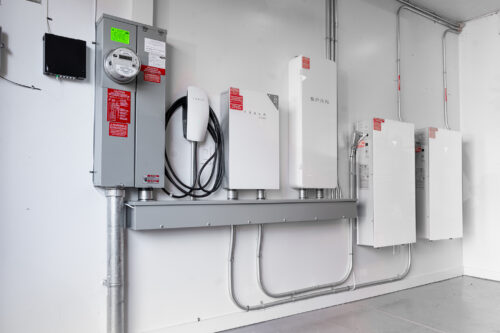
Construction teams can reduce plan-check delays and costly rework by avoiding these frequent mistakes:
- Applying an outdated CALGreen edition.
- Calculating required spaces without checking building use and parking totals.
- Confusing EV-capable spaces with installed chargers.
- Overlooking CBC Chapter 11B accessibility requirements.
- Underestimating electrical capacity or leaving conduit routes until late in construction.
- Ignoring local reach codes or permit-specific conditions.
Commercial EV Compliance Checklist
Before submitting plans or starting construction, make sure your team has:
- Confirmed the applicable CALGreen code edition and project scope.
- Verified the required EV-capable spaces and installed charging stations.
- Reviewed applicable accessibility requirements under CBC Chapter 11B.
- Checked electrical capacity, panel space, and conduit routing.
- Verified local ordinances, reach codes, and permit requirements.
- Coordinated charger installation plans with a qualified EV charging contractor.
- Confirmed documentation and inspection requirements with the local building department.
Plan Your Commercial EV Charging Project with Elex Solutions
Understanding the CALGreen EV charging requirements in California projects must follow is an important step toward a smoother construction process. Early planning helps project teams coordinate infrastructure, accessibility, and installation requirements before construction begins.
Disclaimer: This article is intended for general informational purposes and should not be considered legal advice or a substitute for professional code-compliance guidance. Applicable requirements may differ depending on the project, location, and local regulations. Consult the relevant building department to verify the current code requirements and any applicable local amendments.
Planning a commercial EV charging installation in California? Contact Elex Solutions to discuss your project requirements and installation options. Call our team today to get started.
FAQ’s
What are the CALGreen requirements for commercial EV chargers in California?
CALGreen establishes requirements for EV-capable spaces, EV-ready infrastructure, and installed EV charging equipment in applicable nonresidential construction projects. The exact requirements depend on the project type, parking capacity, applicable code provisions, and local regulations.
When did the 2025 CALGreen Code become effective?
The 2025 California Green Building Standards Code, also known as CALGreen, became effective on January 1, 2026. Project teams should confirm which code edition applies to their permit and jurisdiction before finalizing construction plans.
What is the difference between EV-capable, EV-ready, and EVSE-installed parking spaces?
An EV-capable space includes the required infrastructure to support future EV charging. An EV-ready space has the electrical provisions specified by the applicable code for future charger installation. An EVSE-installed space has charging equipment already installed.
How many EV charging spaces are required for commercial buildings in California?
The required number depends on the applicable CALGreen provisions, building use, total parking spaces, and project-specific conditions. Architects and developers should review Section 5.106.5.3 and the applicable tables to determine the correct requirements.
Do EV-capable parking spaces require accessible EV charging space markings?
EV-capable spaces without installed charging equipment may be treated differently from completed EV charging spaces under applicable accessibility provisions. The project team should verify the requirements for the specific installation, future conversion plans, and applicable code edition with the local building department.
