


Installing an electric vehicle (EV) charger in California does not always require an EVITP-certified electrician. However, certain publicly funded EV charging projects must follow specific certification requirements under California Public Utilities Code Section 740.20. These rules apply to projects funded or authorized by the California Public Utilities Commission (CPUC), California Energy Commission (CEC), or California Air Resources Board (CARB).
If you are planning a home, business, or public EV charging installation, understanding these requirements can help you choose the right electrical contractor. Hiring a qualified EVITP-certified electrician in CA is particularly important when your project involves state funding or requires compliance with specific installation standards.
What Is EVITP and Why Does It Matter?
EVITP stands for the Electric Vehicle Infrastructure Training Program. It is a specialized training and certification program designed for electricians who install electric vehicle charging equipment. The program covers important areas such as:
- EV charging equipment and installation practices.
- Electrical safety and applicable National Electrical Code requirements.
- Jobsite safety and installation procedures.
- EV charging infrastructure maintenance and best practices.
EVITP certification helps electricians develop the knowledge needed to work on EV charging infrastructure. It is different from an electrical contractor’s license because it focuses specifically on EV charging installation.
According to the California Energy Commission, EVITP certification is held by individual eligible electricians, not contractors or employers.
What Does California Public Utilities Code Section 740.20 Require?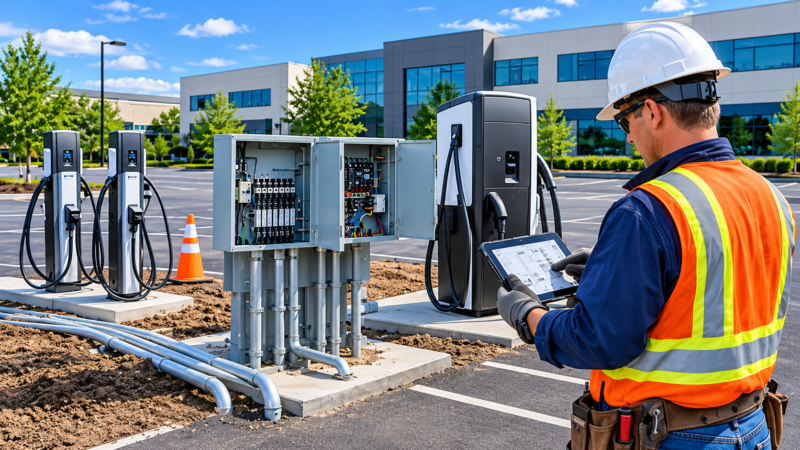
California Public Utilities Code Section 740.20 establishes EVITP requirements for certain EV charging infrastructure projects.
The law applies to charging infrastructure and equipment located on the customer side of the electrical meter when funded or authorized, wholly or partly, by the CPUC, CEC, or CARB.
Under this law, qualifying projects must use a contractor with the appropriate license classification. They must also have EVITP-certified electricians on the installation crew.
The certification requirements depend on the charging port’s power capacity.
EV Charging Ports Below 25 kW
For projects where all charging ports supply less than 25 kilowatts (kW), at least one electrician on each installation crew must hold EVITP certification.
This electrician must be present on the crew while the installation work is being performed.
For example, if a project has six electricians installing charging equipment rated below 25 kW, at least one electrician must be EVITP-certified.
EV Charging Ports Supplying 25 kW or More
The requirements become stricter when a project includes at least one charging port supplying 25 kW or more.
In this situation, at least 25% of the electricians working on each crew must hold EVITP certification.
For example, if eight electricians are working on a qualifying project, at least two must have EVITP certification.
These requirements apply to the crew working on the project, not simply the number of charging stations installed.
Is EVITP Certification Required for Residential and Commercial EV Chargers?
The answer depends on the project’s funding, authorization, and applicable exceptions.
Residential EV Charger Installation
For ordinary privately funded residential installations, Section 740.20 does not generally require EVITP certification.
The law also specifically exempts single-family home residential EV chargers that can use an existing 208/240-volt outlet.
However, this exception is specific. It should not be interpreted as an exemption for every residential charging installation.
Commercial EV Charger Installation
Privately funded commercial EV charger installations are not automatically subject to the EVITP requirements under Section 740.20.
However, commercial projects funded or authorized, even partly, by the CPUC, CEC, or CARB generally must follow the applicable certification rules.
Publicly Funded EV Charging Projects
EV charging projects funded or authorized by the three state agencies must generally meet the EVITP requirements. The law also provides exceptions for:
- Charging infrastructure installed by employees of an electrical corporation or local publicly owned electric utility.
- Infrastructure funded through credits generated under California’s Low Carbon Fuel Standard Program.
- Qualifying single-family residential chargers that can use an existing 208/240-volt outlet.
- Certain projects covered by agreements or contracts with a public agency entered into before January 1, 2021.
Always check the specific funding agreement and project requirements before starting installation.
EVITP-Certified Electrician vs. Licensed Electrical Contractor
These two qualifications serve different purposes.
A licensed electrical contractor holds the appropriate state license to perform electrical contracting work. This includes meeting applicable licensing and business requirements.
An EVITP-certified electrician has completed specialized training and passed the EVITP certification examination.
For qualifying projects under Section 740.20, having an electrical contractor’s license alone is not enough. The project must also meet the applicable EVITP crew requirements.
In simple terms, a contractor’s license establishes authorization to perform electrical contracting work, while EVITP certification demonstrates specialized EV charging installation training.
Benefits of Hiring a Qualified EV Charging Station Installer in California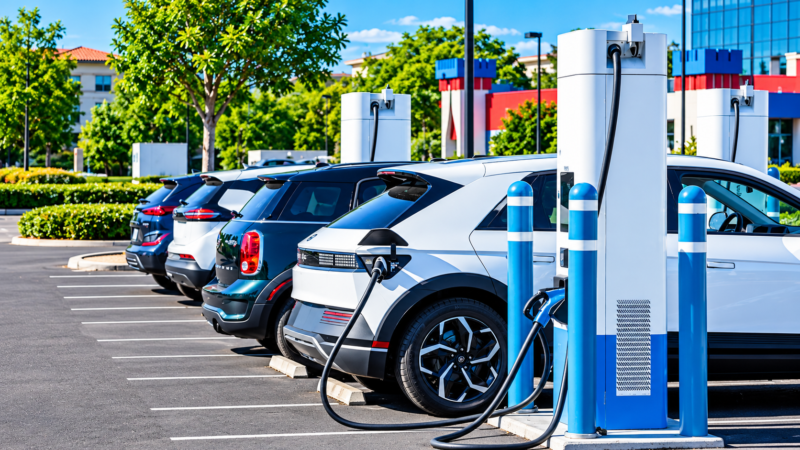
Even when EVITP certification is not legally required for your project, choosing an experienced and properly licensed installer is important. A qualified, certified EV charging station installer in California can help with:
- Electrical safety: Assessing the existing electrical system and planning an appropriate installation.
- Code compliance: Following applicable electrical codes, permitting requirements, and local regulations.
- Proper charger selection: Helping you choose equipment based on your vehicle, electrical capacity, and charging needs.
- Professional installation: Ensuring appropriate wiring, circuit protection, and equipment connections.
- Long-term reliability: Reducing installation problems through proper planning, testing, and inspection.
These benefits matter for both homeowners and businesses planning reliable EV charging facilities.
How to Verify EVITP Certification and Find Qualified Installers
Before hiring an electrician, take a few simple steps:
- Ask whether the electrician assigned to your project holds a current EVITP certification.
- Request the electrician’s EVITP certification details and verify them through EVITP.
- Check the contractor’s license status using the California Contractors State License Board (CSLB) website.
- Confirm that the contractor has experience with your type of EV charging installation.
- If your project receives public funding, check the funding agency’s specific installation and documentation requirements.
You can also use the California Energy Commission’s EVITP information page to find resources for identifying contractors who employ EVITP-certified electricians.
Choose Elex Solutions for Professional EV Charger Installation
Planning an EV charger installation for your home or business? Working with an experienced electrical contractor can make the process easier, from selecting the right equipment to completing the installation.
Elex Solutions provides residential and commercial EV charger installation services across the San Francisco Bay Area. The company helps customers plan charging solutions based on their vehicles, electrical capacity, property requirements, and charging needs.
Homeowners and businesses in Concord, CA, can also explore professional EV charger installation solutions with Elex Solutions. The right charging setup can make everyday EV charging more convenient while supporting the property’s electrical requirements.
Its services include installation planning, permitting and engineering support, electrical work, and installation testing.
For projects that require EVITP certification, customers should confirm the assigned electrician’s credentials and applicable project compliance requirements directly with the contractor.
Whether you need a home charging station or a commercial EV charging solution, Elex Solutions can help you explore the right installation options.
Ready to install an EV charger? Contact Elex Solutions today to discuss your project and request a quote.
FAQ’s
Is an EVITP-certified electrician required for every EV charger installation in California?
No. EVITP certification is generally required under Section 740.20 for qualifying projects funded or authorized by the CPUC, CEC, or CARB. Ordinary privately funded installations are not automatically covered.
Does a residential EV charger require EVITP certification?
Not generally for privately funded home installations. California law also specifically exempts qualifying single-family home chargers that can use an existing 208/240-volt outlet.
How many EVITP-certified electricians are needed for a 25 kW EV charger project?
At least 25% of the electricians working on each qualifying project crew must hold EVITP certification if the project includes a charging port supplying 25 kW or more.
Can a licensed electrical contractor install an EV charger without EVITP certification?
Yes, where EVITP certification is not required by applicable law or project conditions. For projects covered by Section 740.20, the required number of EVITP-certified electricians must be present on the crew.
How can I check whether an electrician is EVITP-certified?
Ask the electrician for their certification details and verify them through the official EVITP program. You can also use the California Energy Commission’s contractor resources to identify contractors employing certified electricians.
Does Elex Solutions install residential and commercial EV chargers?
Yes. Elex Solutions offers residential and commercial EV charger installation services across the San Francisco Bay Area. Contact the company to discuss your installation requirements and obtain a project quote.
