

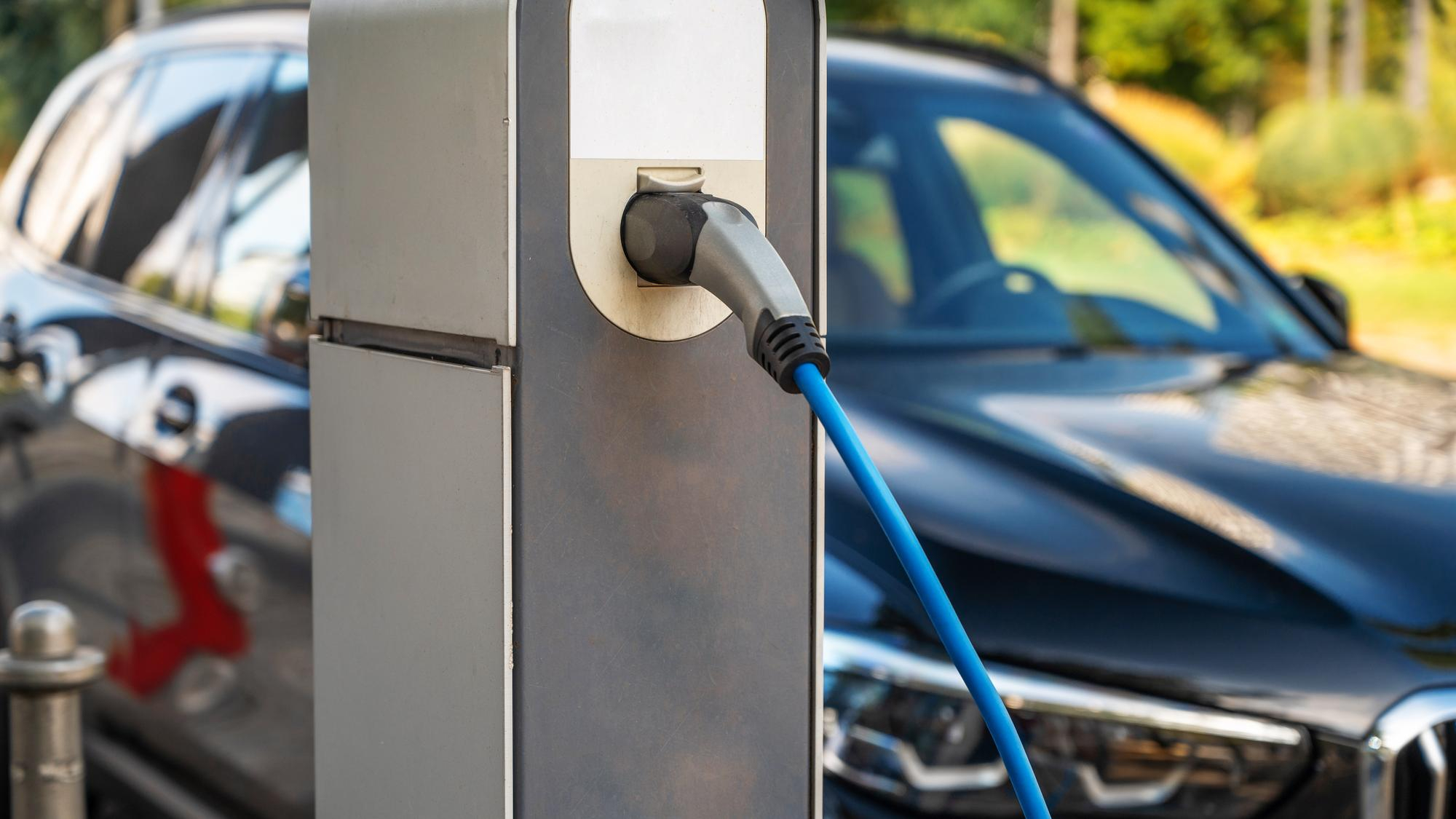
Electric vehicles are becoming more popular among homeowners and businesses because they offer convenient and efficient transportation. As more people switch to EVs, having a reliable charging system at home or work can make everyday charging much easier.
However, installing an electric vehicle charger involves more than connecting a charger to an outlet. EV chargers can place a significant load on an electrical system and may operate for several hours. Proper planning and professional installation are important for a safe EV charger installation and reliable charging.
If you are planning an EV charger installation, here are six things to check first.
 1: Hire a Qualified Electrician
Professional installation is essential for a safe EV charger installation. A qualified electrician can inspect your electrical system, check the charger’s power requirements, and identify any necessary upgrades.
Before installation, the electrician should evaluate the charger location, electrical panel, circuit requirements, wiring, and expected charging load. They should also follow applicable electrical codes and the manufacturer’s instructions.
Professional installation can help prevent incorrect wiring, overloaded circuits, loose connections, and inadequate electrical protection. This helps ensure your EV charger operates safely and reliably for everyday charging.
2: heck Your Electrical Panel and Capacity
Your electrical panel needs sufficient capacity to safely handle the power demand of an EV charger. An electrician should check your current electrical usage, including heating, cooling, appliances, and other high-power equipment.
If the panel does not have enough capacity, an electrical panel upgrade or another suitable solution may be required. This ensures the charger can operate without placing excessive demand on your electrical system.
Using a dedicated circuit is usually recommended for EV chargers. Checking your panel before installation helps identify potential issues and ensures the charging system is properly matched to your property’s electrical capacity.
3: Choose Quality Equipment and Proper Wiring
Selecting the correct charger and electrical materials is another key part of ensuring a safe installation. The charger should be compatible with your vehicle and suitable for your property’s electrical capacity.
Look for charging equipment that meets recognized safety and certification standards. A qualified electrician can explain the charger’s electrical requirements and help choose equipment that is suitable for your installation.
The supporting components also matter. Wiring, breakers, connectors, and conduit should be properly rated for the charger’s electrical load.
Depending on the installation, conduit such as EMT or flexible conduit may be used to protect wiring. Using correctly rated conductors is important since EV chargers may operate for extended periods.
Using quality equipment and correctly rated electrical materials can help reduce the risk of overheating, electrical faults, and equipment damage.
4: Ensure Proper Grounding and Electrical Protection
Proper grounding is essential for EV charger safety. A correctly grounded system helps provide a path for fault current and allows protective devices to operate when an electrical problem occurs.
During installation, an electrician should ensure that the grounding and bonding are suitable for the charger and the property’s electrical system.
The charging circuit should also have the appropriate protection based on the charger’s specifications and applicable electrical requirements.
Because an EV charger may supply power continuously for several hours, these safety measures should not be overlooked. Proper grounding and protection help protect people, the vehicle, charging equipment, and the property from electrical faults.
5: Select a Safe Location and Manage the Cable
The charger’s location can affect both safety and convenience. It should be positioned where the vehicle can easily reach it without creating unnecessary hazards.
Consider the vehicle’s parking position, cable length, distance from the electrical panel, accessibility, and exposure to weather when choosing the installation location.
For outdoor installations, the charger and related equipment should be suitable for the environmental conditions.
Cable management is equally important. A cable left across a walkway or driveway can create a tripping hazard or become damaged by vehicles.
Cable holders, hooks, conduit, or other suitable solutions can help keep the charging area organized and protect the cable from unnecessary bending, crushing, or physical damage.
6: Routine Maintenance to Keep Your EV Charger Reliable
Regular inspections can help maintain the safety and reliability of an EV charging system after installation. Check the charger, cable, connectors, and surrounding area for visible damage or unusual changes.
Watch for warning signs such as excessive heat, burning smells, damaged cables, error messages, loose components, or repeated charging problems.
Keep the equipment clean and follow the manufacturer’s maintenance recommendations. If the charger requires software updates, install them according to the manufacturer’s instructions.
If you notice overheating, damaged equipment, or unusual electrical behavior, stop using the charger and contact a qualified electrician for inspection.
 Get Professional EV Charger Installation From Elex Solutions
A safe EV charger installation starts with proper planning and professional electrical work. From checking your electrical panel capacity and choosing the right equipment to ensuring proper grounding, cable management, and ongoing maintenance, each step helps create a safer and more reliable charging system.
Elex Solutions helps homeowners and businesses plan and install EV charging solutions based on their electrical systems and property requirements.
If you are planning an EV charger installation, schedule a consultation with Elex Solutions to discuss your project and find the right charging solution for your needs.
FAQ’s
What electrical safety features should an EV charger have?
An EV charger should have appropriate circuit protection and be connected to correctly sized wiring and equipment. The installation should also follow the charger’s specifications and applicable electrical requirements.
Can an EV charger overload my home's electrical system?
It can if the electrical system does not have enough capacity for the charger’s additional load. An electrical assessment before installation can help determine whether the existing system can handle the demand.
How far can an EV charger be installed from the electrical panel?
The distance depends on the home’s layout, charger location, wiring route, and electrical requirements. Longer wiring runs may affect installation requirements and overall project complexity.
How can I prevent an EV charging cable from becoming a trip hazard?
Install the charger where the cable can reach the vehicle without crossing walkways. Proper mounting and cable management can also help prevent unnecessary pulling, bending, or damage.
Can an EV charger be installed in a garage?
Yes. A garage can be a convenient location for an EV charger, provided there is suitable wall space, adequate electrical capacity, and a practical route for the charging cable.
